
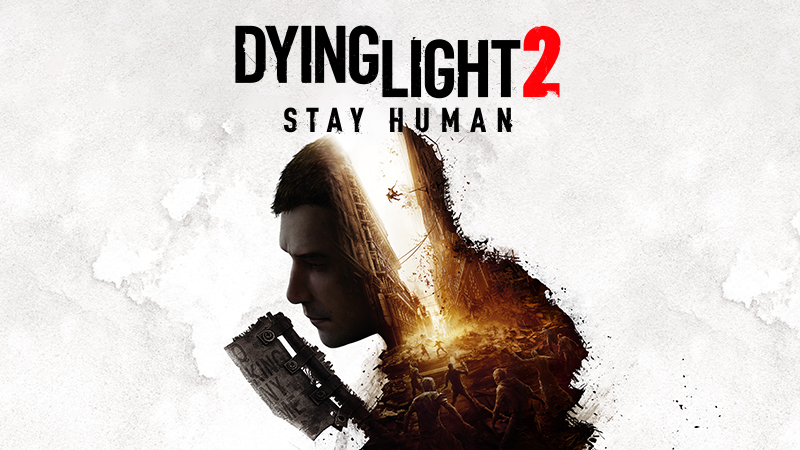
After multiple delays and a series of trailers spanning the last few years, Techland has finally released Dying Light 2: Stay Human. With 2015’s Dying Light being one of my favorite games of the last decade and with the ability for the developers to now push visuals, implement criticisms from the original, and just all around expand on their initial ideas, I was anticipating a great sequel. New additions, as well as creative choices made to the game, looked fantastic and I was looking forward to how all of it was going to play into the overall project. After completing the main story, and tackling some side content I came away with an experience that for the most part, satisfied the fan of the series in me, but absolutely left me longing for more in some areas.
NARRATIVE
Dying Light 2 begins outside the walls of a city named Villedor, said to be the last city standing after humanity’s fall to the zombie outbreak 15 years prior. You assume the role of Aiden Caldwell and are quickly thrown into the sprawling, beautiful city, and the game’s story. Now to really delve into the story we need to talk about the big idea that Techland pushed with this game. In Dying Light 2, your in-game narrative decisions matter to the world and the plot. When it was shown off in marketing before release, it looked to be that choices made would truly have consequences to the story, and while choice does impact parts of the games, I couldn’t help but notice it was not as deep as I had thought and hoped for it to be.
The game features different factions all fighting to further their specific way of life and their power over the city. On paper, it is a great idea to have you as the player make power-swinging decisions, but the issue is the narrative struggled to get me invested in the people of the story. Each faction has its own specific characters you meet and learn about and they all have potential, but the minimal time we get with them in the main story, and the way they are written just left me wanting more. Along with this, clunky, clique, and corny dialogue held back seeing the human level of these characters. Cutscenes were another issue and what I mean by that is the game doesn’t really have them for most of it. We never really get to see the characters in action and it ends up just being them standing in front of you while they speak which hindered me even more in feeling for their personal motivations and internal struggles. The idea of real consequence in a game world doesn’t work unless the people on the sides the player is deciding the fates of resonates with them.
Another issue is the overall story itself. When the game begins, Aiden’s main goal is locating his lost sister who is rumored to be inside the city and it never changes. Once in the city, the story seems split between this personal story of Aiden and finding his sister and the faction wars between the people within Villedor’s walls. Yes, there are pieces of the plot that are connected, but with Aiden having no real personal attachment to the people inside the city and his motivation being to find his sister, there is no reason given to why he should care about what’s going on with the factions. He feels like a bit of an errand boy, doing side tasks for the different groups only to gain the next scrap of information to further his story, not the factions. How it all is structured doesn’t make me want to care about what’s happening to the locals since the game is telling me that my main priority is finding Aiden’s sister.
Overall it was really disappointing that the story didn’t land because Dying Light 1 although not perfect and still having cheesy/cliche moments still had great dialogue in some parts and a story that felt connected. Having power struggles between factions and having you decide who has the most is a good concept, but never went deep story-wise. Going for a consequential and choice-filled narrative is very ambitious and ballsy to undertake, and here it’s missing a piece of the story that strongly links Aiden’s story to the factions. Again, all the pieces are there for something great, but the way it was executed held it back in many ways.
GAMEPLAY
Although this review has been mostly negative and constructive I want to say I did enjoy and am still enjoying playing Dying Light 2 and that is because the gameplay is the complete opposite of the narrative. The open-world combat, missions, activities, and progression systems are all great and with new ideas that deepen the parkour movement system introduced in the first Dying Light, the game is clearly at its best when the player is left to do what they want.
Free-running through the city is a blast and stumbling upon all the different things such as activating windmills, fighting bandits, saving survivors, and slashing through the infected gave me the feeling that I think Techland was going for with this game which was the freedom to level up doing the things you want while moving fluidly through a vibrant and grand environment. Simply put, it works and is something that the developers should be proud of.
Now, a huge and memorable part of Dying Light 1 was the day/night cycle whereas night fell, fast lethal infected would come out to the streets. In Dying Light 2 we have the same cycle. Infected flood the streets and new variants of special infected vary up how you navigate at night, I only wish we saw more of the Volatiles which are the main big bad infected from the original. They are here, but in much smaller quantity which does make for more of a scare when you come across them, so there is some good and bad with that. I have seen complaints that night is not dark enough but this is a subtle issue. Yes, the first Dying Light was pitch black at night but we get something a bit new here with the overall look of the game, and with new indoor night activities and dark zones, there are those moments of deep darkness where you really feel that classic zombie horror vibe.
Another improvement to the night cycle is that there is more of a reason to play it in this game than the first. The usual extra experience when fighting or free-running at night is here but there are also some side missions and activities that are exclusive to the night. Indoor areas are more explorable after dusk since infected flood the streets with the absence of UV rays. “GRE anomalies” open up as well which are night-specific boss fights that grant you high-ranking items and equipment. It all makes for more of an incentive to traverse and explore the world at night instead of just resting through in a safe zone to get back to the day cycle of the game.
All of these missions and activities are nothing though without the gameplay and Techland did a great job of making the parkour movement more diverse and fluid which makes moving from objective to objective fun. Combat received an upgrade as well, and while it’s still not perfect, giving the player the opportunity to parry and block incoming attacks for a counter gives some strategy and pacing to fights which would otherwise be simply mashing the attack button mindlessly at the enemy. Even equipment gets a better sense of longevity, be it with weapon mods or the tools you craft/acquire. Taking down special infected and looting their corpses gives you tokens that can be traded in for weapon mod upgrades and equipment upgrades, giving you a reason to search and hunt special infected to get that next upgrade for your gear. Weapons are all fun to use too, from machetes to swords, hammers, and even brace knuckles. Collecting all these items, upgrading, and completing activities around the city are the things that work for me and will keep me playing for months.
Art direction deserves a big nod to how amazing the city looks. Overgrown skyscrapers loom over the rooftops below where people have re-built civilization. Take a step below that and you are down in the decaying and muddy ruin of the old world, where danger lurks around every other corner. It makes for a varied environment and with the size of the map and the different landmarks to discover the world has not gotten old to me and I don’t see that happening soon.
Being someone who cares a lot about story I wanted to bring up one last detail that was added. It becomes a side activity in the open world but is first introduced in the narrative and it’s powering up water towers and electrical plants. Every time you complete one of these you have the choice of which faction you are going to give the power or water control to. This is another section that I expected to be part of the consequence side of the game but it ends up mainly being a gameplay element since every time you assign power to a side you either get a new trap set up around the city by that faction or a new method of traversal. While this idea is neat and gives reason to push for completing all of these I had hoped it would be more of a moral dilemma for me and giving all the power to one side or the other would bring real consequence to the other factions rather than it being what cool new tool, trap, or parkour tool I wanted.
WRAP-UP
Dying Light 2: Stay Human was a massive project, and that can be seen in the map, story, factions, traversal, enemies, and all other content that this game has to offer. Bluntly, the story is a big letdown, not only because it isn’t executed well, but because the pieces were there for something great but it never succeeded in pulling me in. Gameplay and the open world are the saving grace of the whole package and I give Techland huge props for making such a beautiful looking and fun game to explore and play in. I look forward to roaming through the city for long after this review to complete side missions and max out Aiden’s skills trees and equipment but for what the story has to offer (if you care about this type of thing like I do), I would wait for a small price cut.
Score: 7/10
 gamegrounds.blog